School of medicine
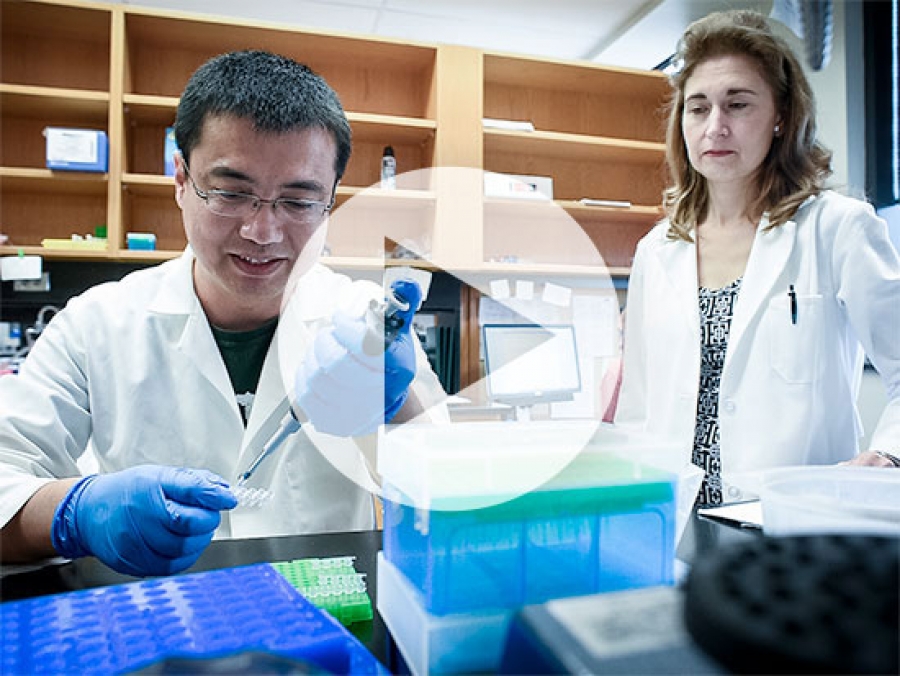
Significant novel findings published by UAB researchers established verapamil as a successful therapeutic approach to target loss of beta cell function caused by Type 1 diabetes.
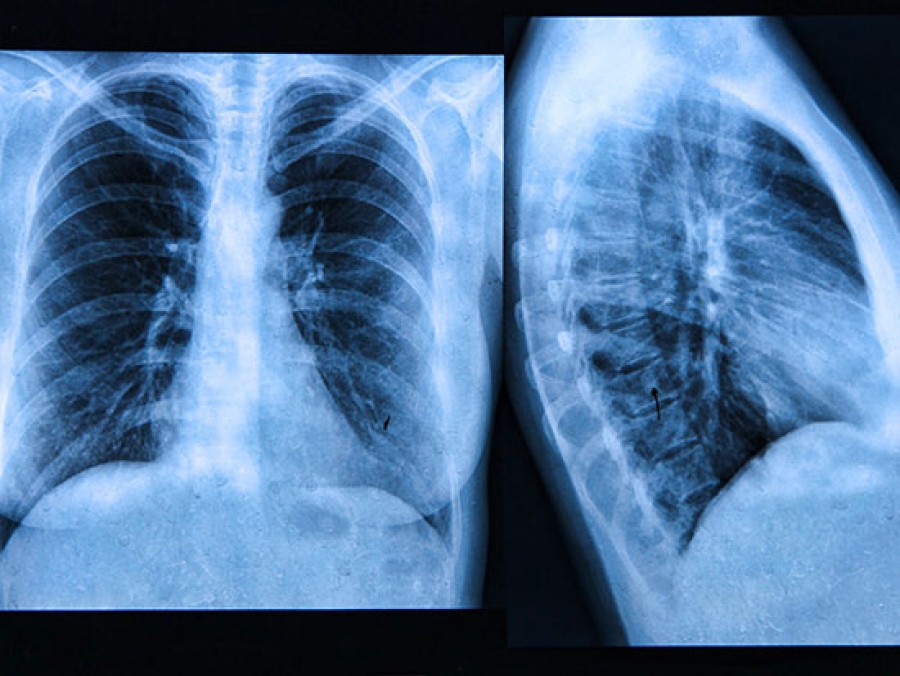
A diabetes drug suggests potential therapy for idiopathic pulmonary fibrosis, based on research with human lung fibroblasts and a mouse model of lung fibrosis.

An Auburn woman who was severely burned finds pain relief from music therapy.

mediKanren, an "analytic engine" designed by UAB researchers, can sift 97 million assertions in seconds to find new treatments for patients and research avenues for scientists.

The All of Us Research Program, an effort by the NIH to build a national database for medical research, launches on May 6 at UAB and six other sites nation-wide.
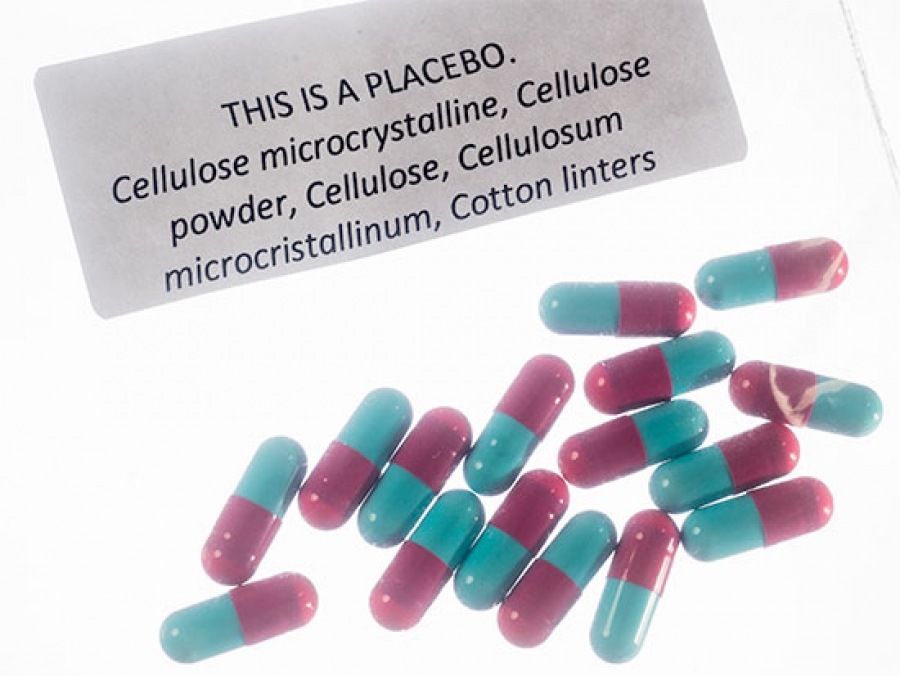
Fatigue in cancer survivors is significantly reduced by placebo pill, even when it is known it is a fake pill.

Watch a bleeding-control demonstration and join in with questions live as trauma surgeons show benefits of kits in public settings.
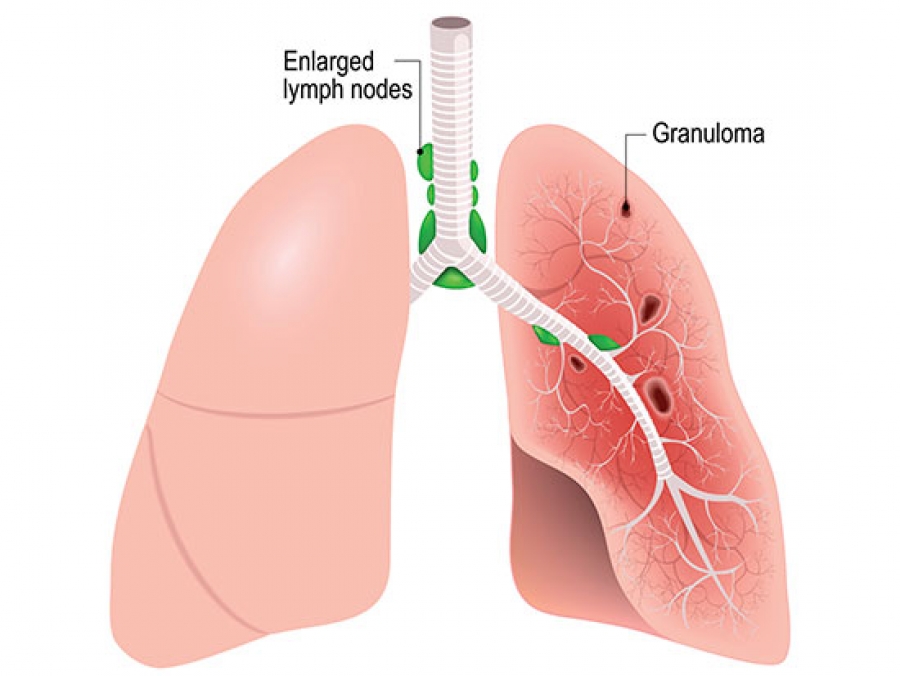
Researchers have found the rate of hospitalization for sarcoidosis has increased, and in-hospital mortality associated with sarcoidosis has decreased.

Data suggest the United States could have a worse than average flu season. Flu season typically lasts from early October to February, but UAB experts say it is never too late to get vaccinated.

It is easy to remember steps to prevent the body from getting cold, but what can be done to protect the eyes when cold weather hits?

This more comprehensive approach may be needed to find ways to delay the progressive heart failure.
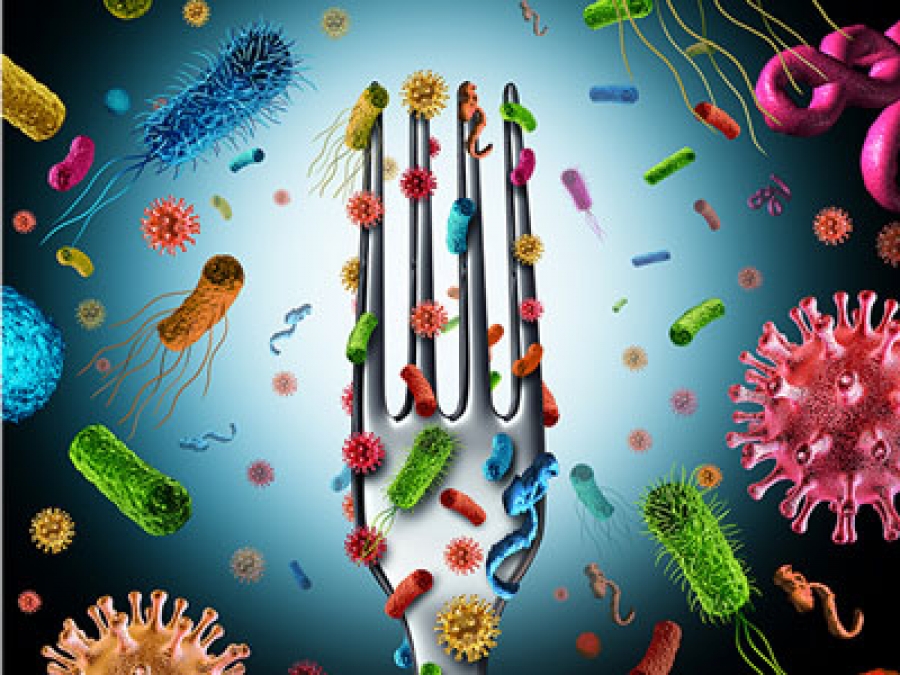
A UAB Infectious Diseases physician discusses bacteria found in food-borne illnesses and why you should wash your hands.

Low dietary potassium leads to calcified arteries and aortic stiffness, while increased dietary potassium alleviates those undesirable effects in a mouse model, suggesting dietary potassium may protect against heart disease and death from heart disease in humans.
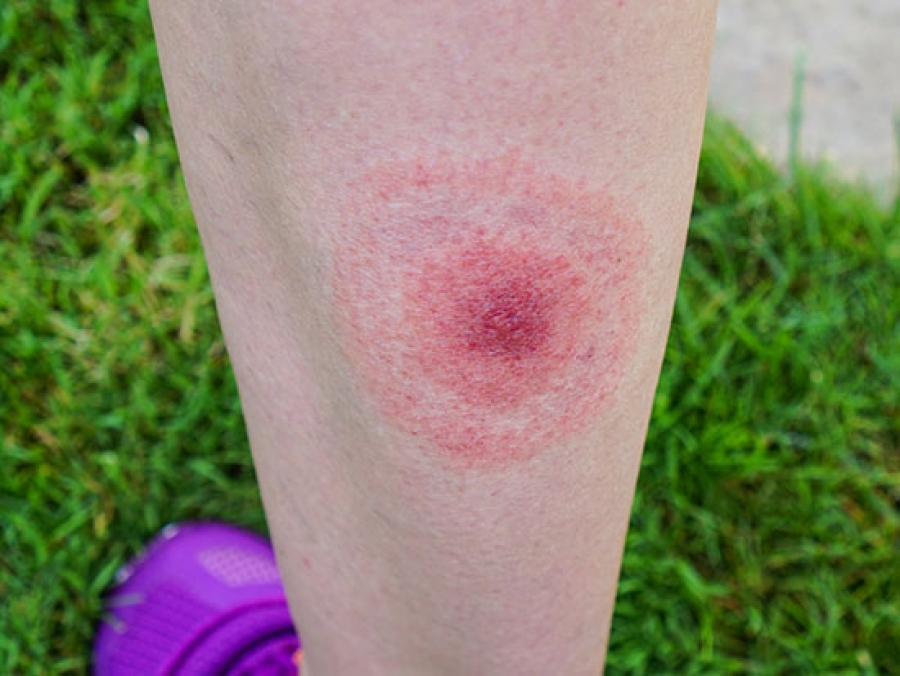
With both Rocky Mountain Spotted Fever and Lyme disease increasing in recent years, UAB wilderness medicine physician says it’s important to dress properly and to perform tick checks after woodland excursions.
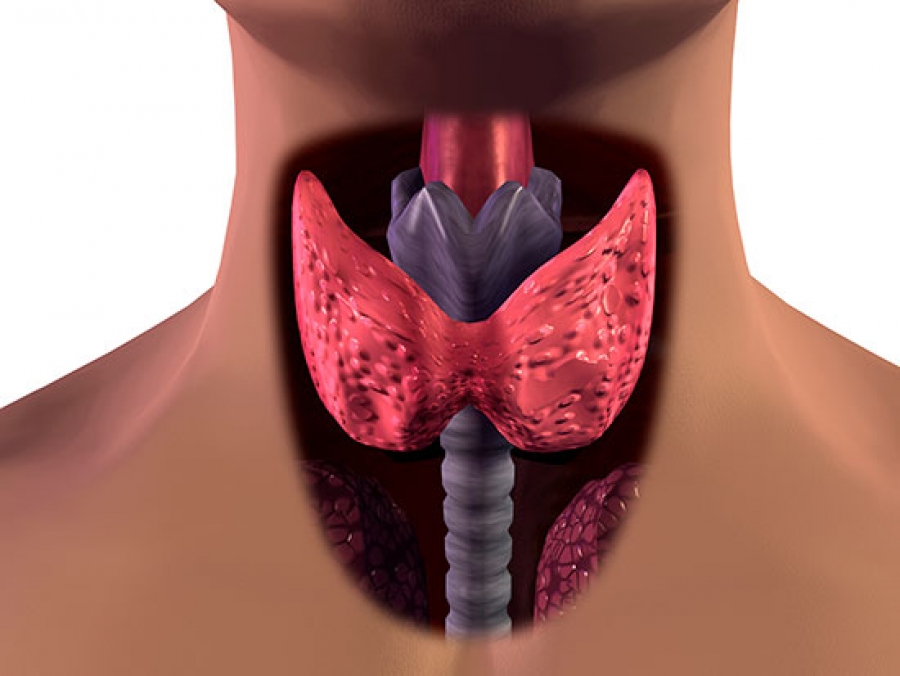
The goal is to avoid unnecessary surgery and reduce the number of biopsies of benign nodules and cancers that are unlikely to cause harm.

One of the most common types of cancer is skin cancer. A UAB dermatologist shares background information, risks and how to protect your skin.

Contrary to advertisements, bumper pads and stuffed animals are not part of a safe sleep environment for infants.

Combining two high-powered imaging techniques into a single scanner allows UAB to acquire and study PET and MRI data simultaneously, enabling new opportunities for diagnostic imaging of cancer, the brain and heart.
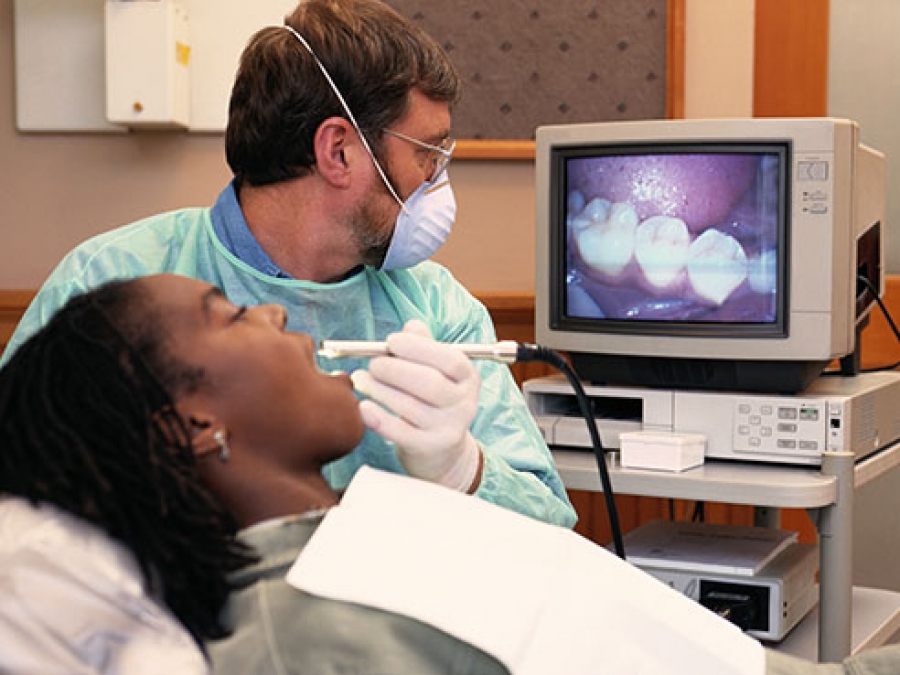
Kids often acquire S. mutans, a cavity-causing bacterium from nonfamily members, researchers report at the American Society for Microbiology annual meeting.
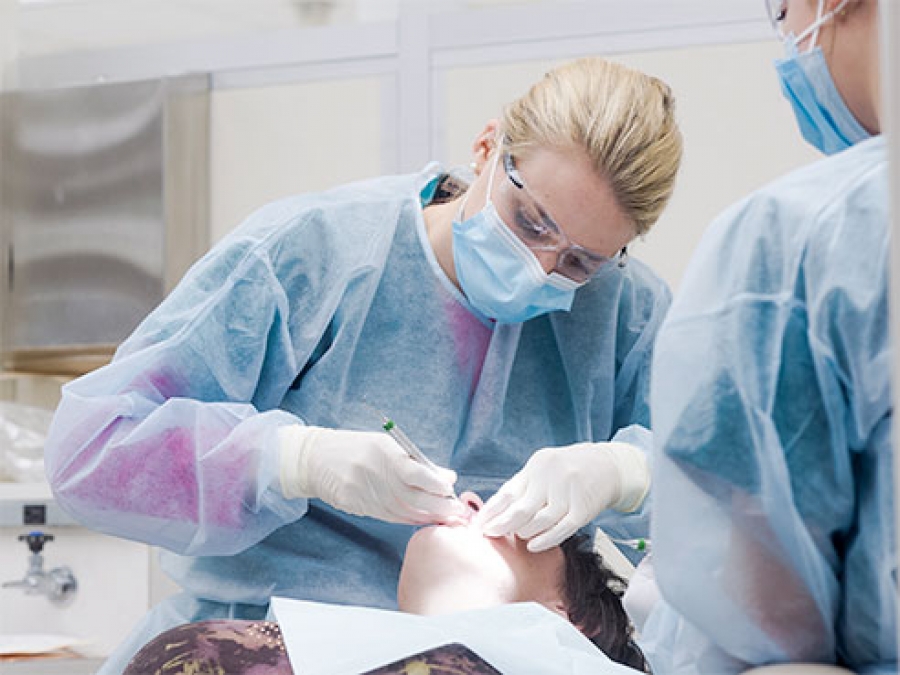
A new study from the UAB School of Dentistry shows that women who are pregnant are more likely to have gingivitis in their first and second trimesters, which can negatively affect mother and baby.