School of medicine
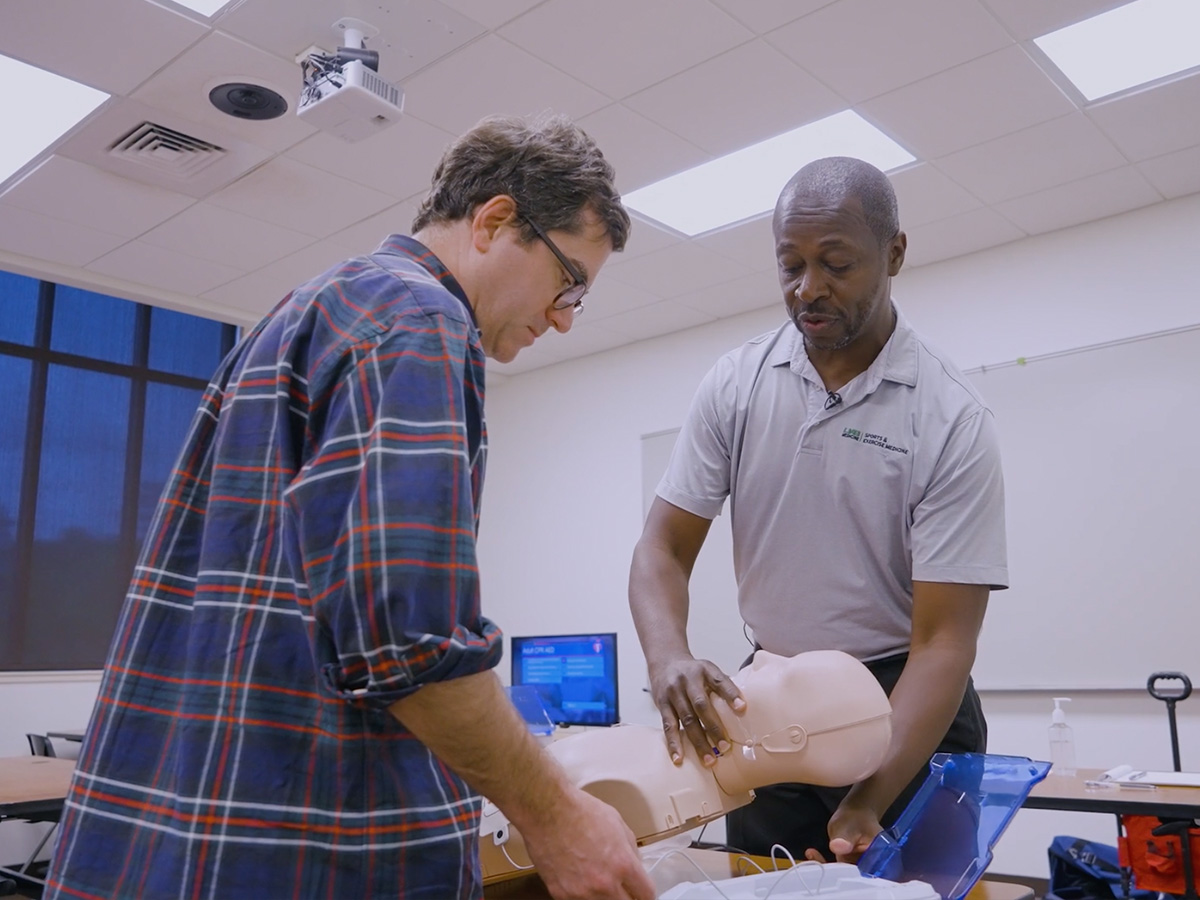
Sudden cardiac arrest is a life-threatening condition in which the heart stops beating after its normal electrical signals are disrupted.

The UAB Health System is the largest health system in the state and continues to expand its reach and impact across the state, now operating as a nearly $7.5 billion enterprise with 133 locations serving all 67 counties in Alabama and beyond.

The study will enroll 240 adults with HIV and insomnia, randomly assigning them to one of two treatments to evaluate how each approach affects sleep and cognitive health.
Functional neurological disorder, an often-misunderstood condition, affects brain-body communication, causing involuntary seizures, movement difficulties and speech problems.
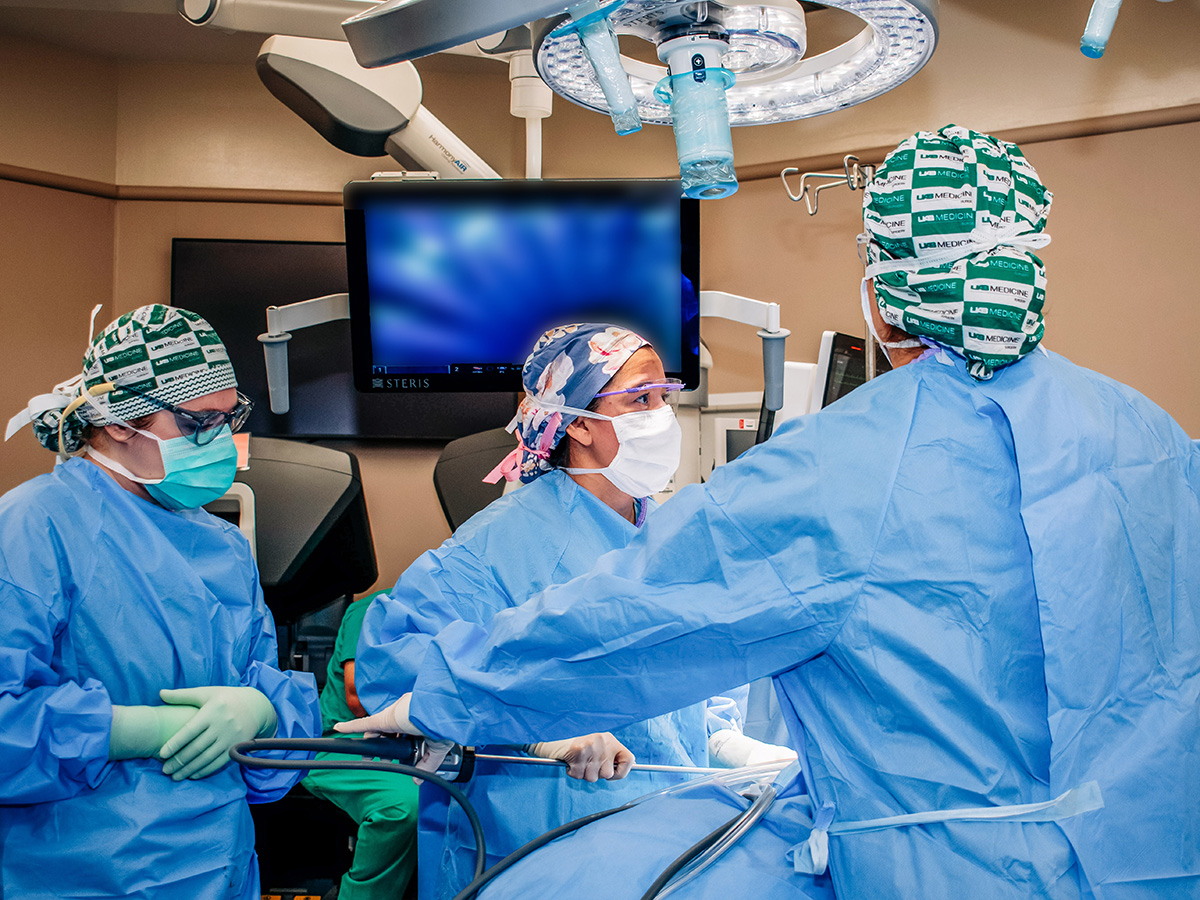
In February 2026, UAB performed its first NKR-facilitated transplants, opening a new era of expanded donor options beyond the program’s historically internal swap and chain database.

A new UAB and Alabama CEAL initiative aims to improve health by empowering neighborhoods.

Since March 2022, UAB and McMaster University have advanced a shared vision to strengthen institutional collaboration across research, education and global health initiatives.

In a study published in the New England Journal of Medicine, long-acting injectables proved to be a more effective treatment in maintaining consistent administration for those living with HIV and facing barriers to taking daily oral medications.
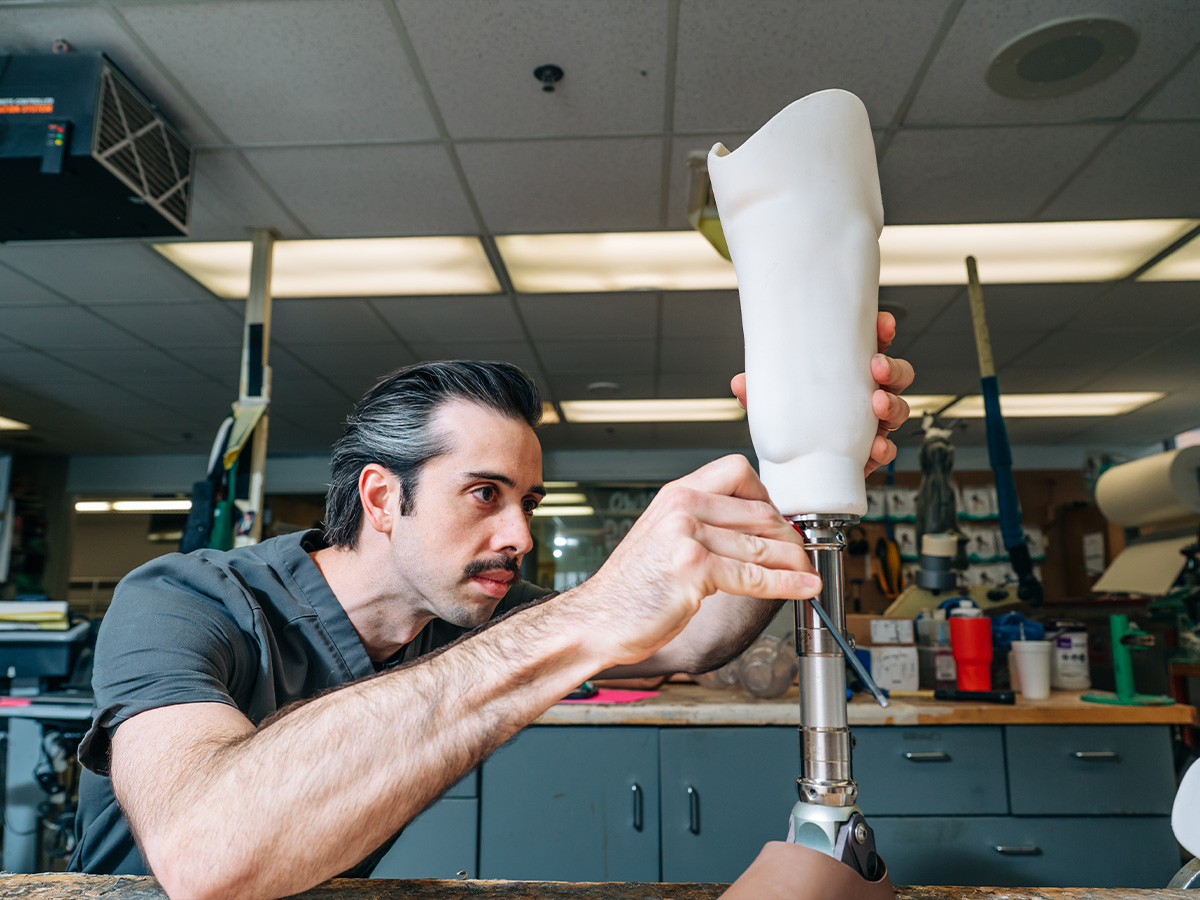
Patients at the amputee clinic can receive prothesis sockets faster with the new 3D printer.
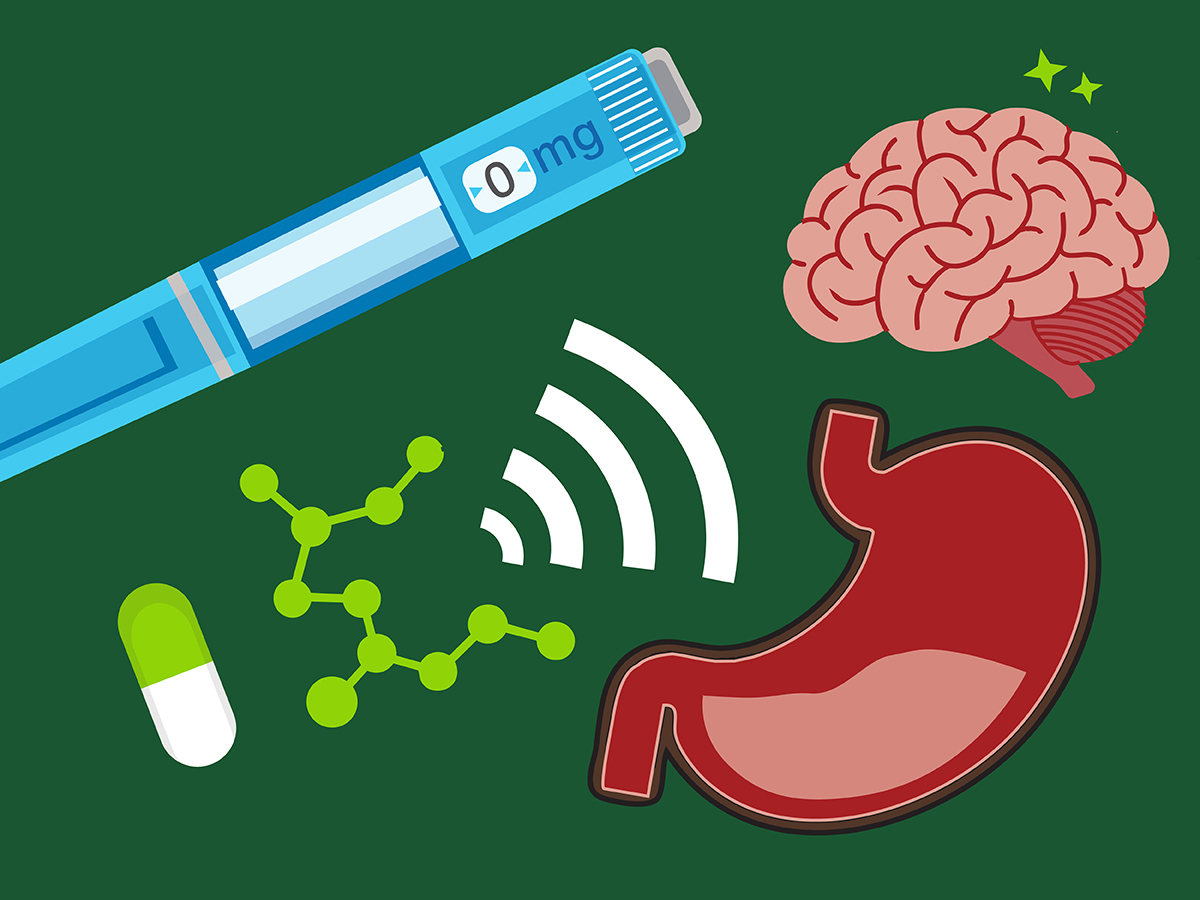
As UAB researchers continue to study how these drugs work and what comes next, their findings are helping move the conversation beyond hype, while working toward a clearer understanding of one of the most significant medical breakthroughs of the past decade.

UAB President Ray L. Watts, M.D., along with prominent UAB physicians, educators and researchers, will be honored at the induction ceremony on Aug. 8 in Montgomery.
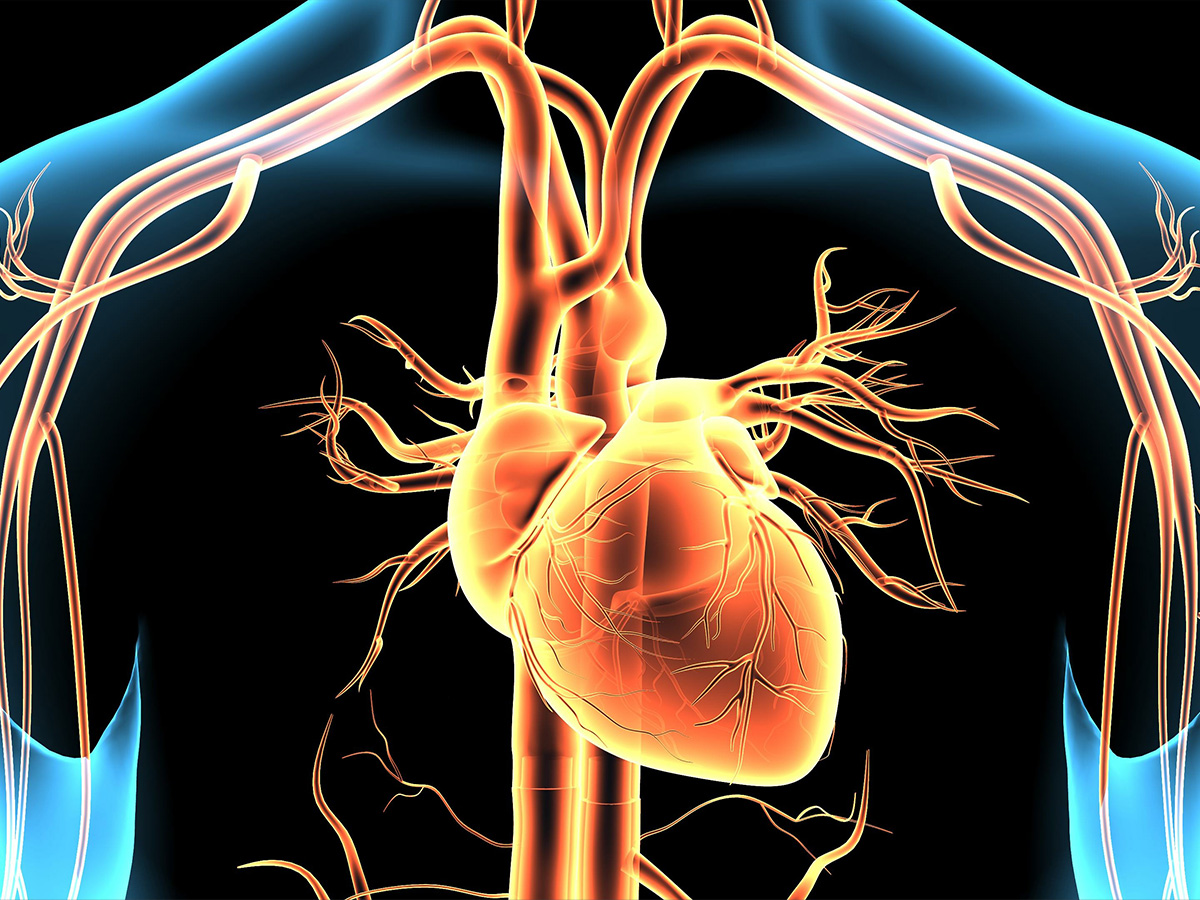
Obstructive hypertrophic cardiomyopathy is a leading cause of heart-related disability in younger adults and the most common cause of sudden death in young athletes.
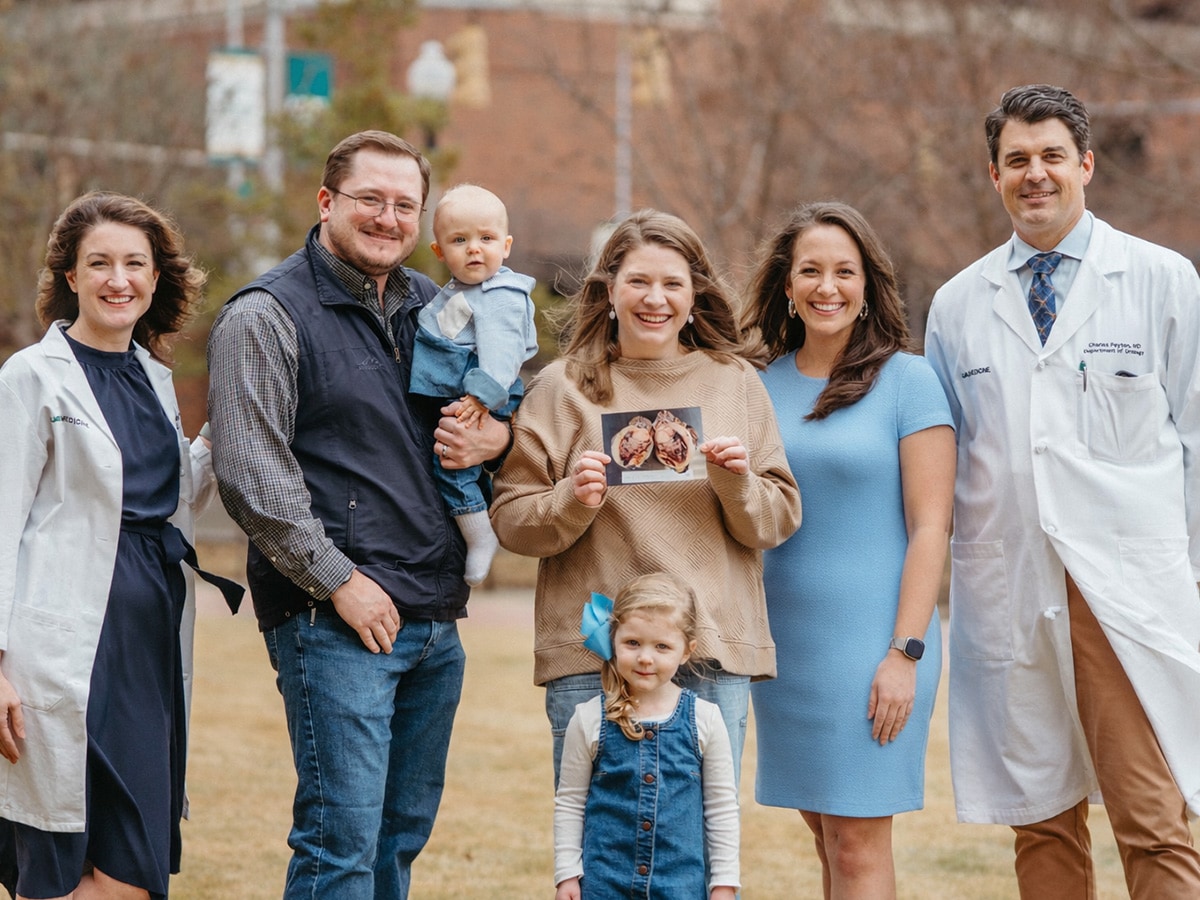
Heidi Neas was diagnosed with cancer at 16 weeks pregnant, became cancer-free at 22 weeks and delivered a healthy baby boy.
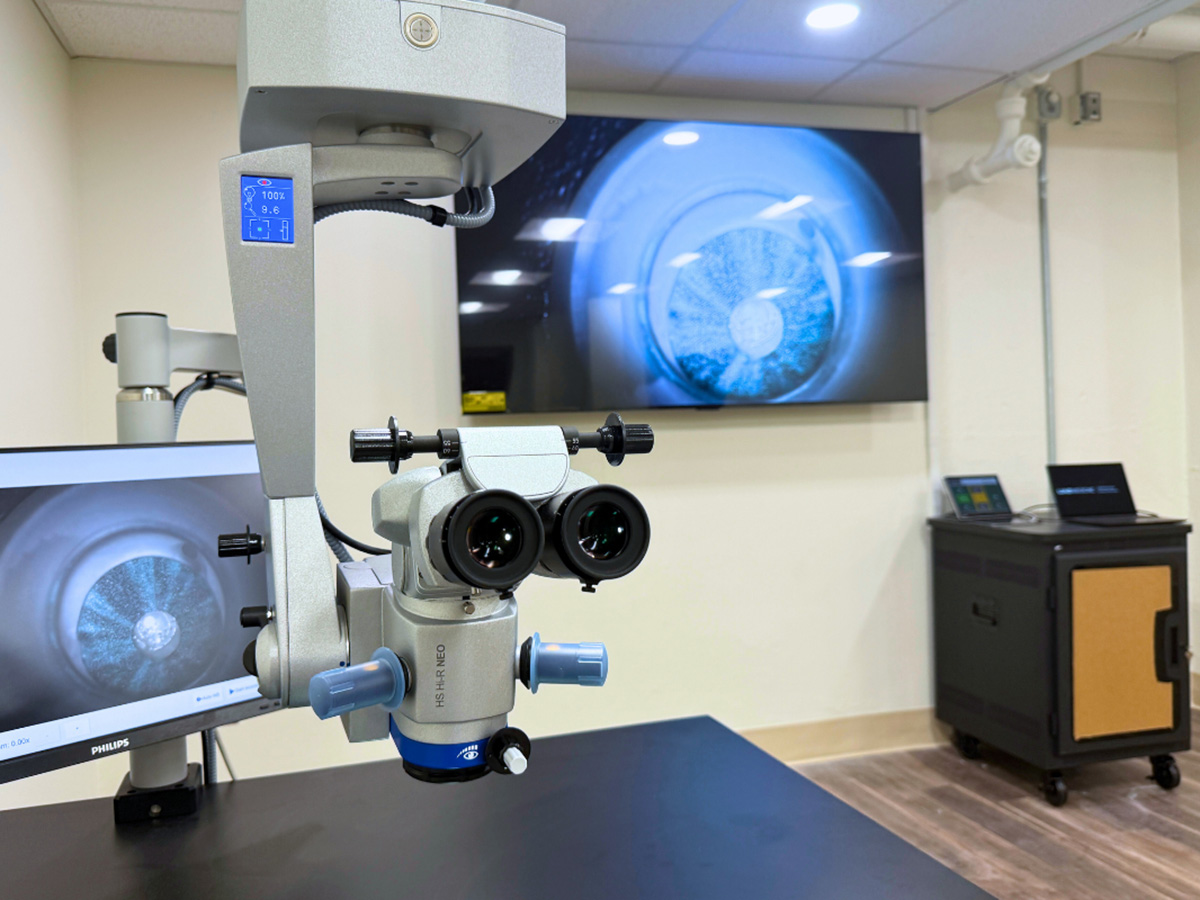
Beyond its impact on daily education, the new laboratory showcases UAB’s commitment to comprehensive, simulation-based surgical training in the field of ophthalmology.
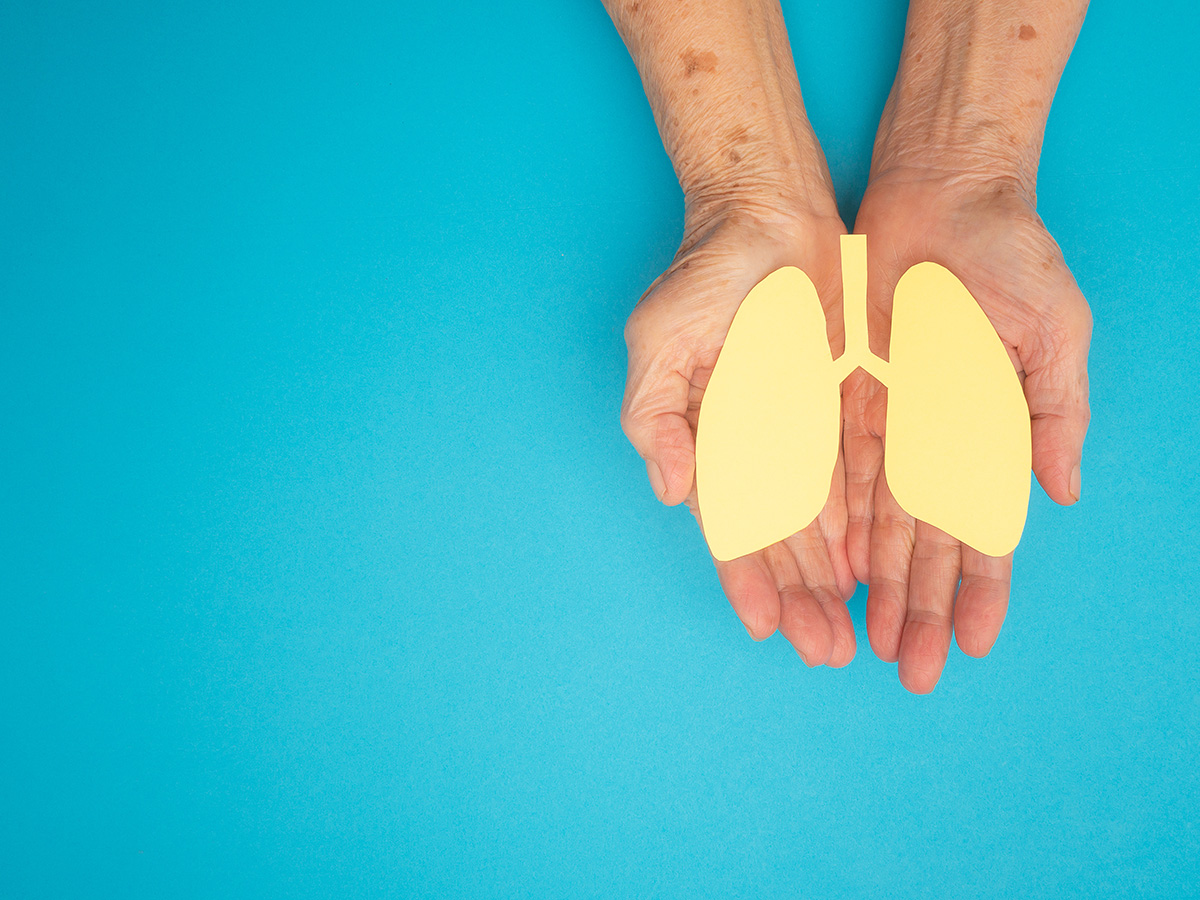
The BREATHE-3 trial is a pioneering phase 3 pivotal clinical study investigating the impact of a novel, experimental device designed to open the airways within a patient’s lungs and release trapped air in patients battling severe emphysema and COPD.
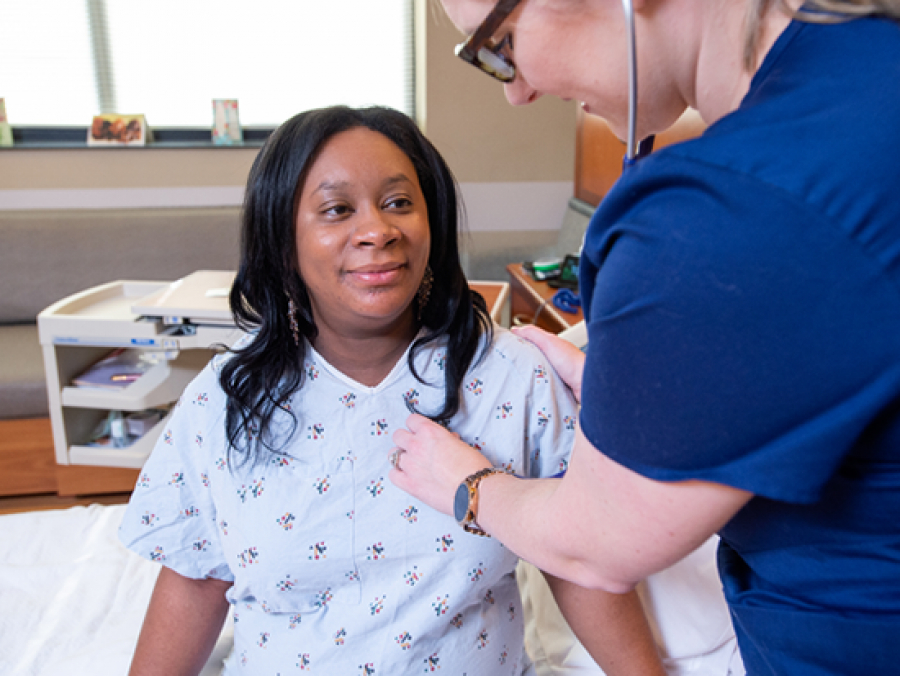
Experts at the UAB Cardiovascular Institute and UAB St. Vincent’s say it is never too early or too late for women to begin protecting themselves from heart disease.
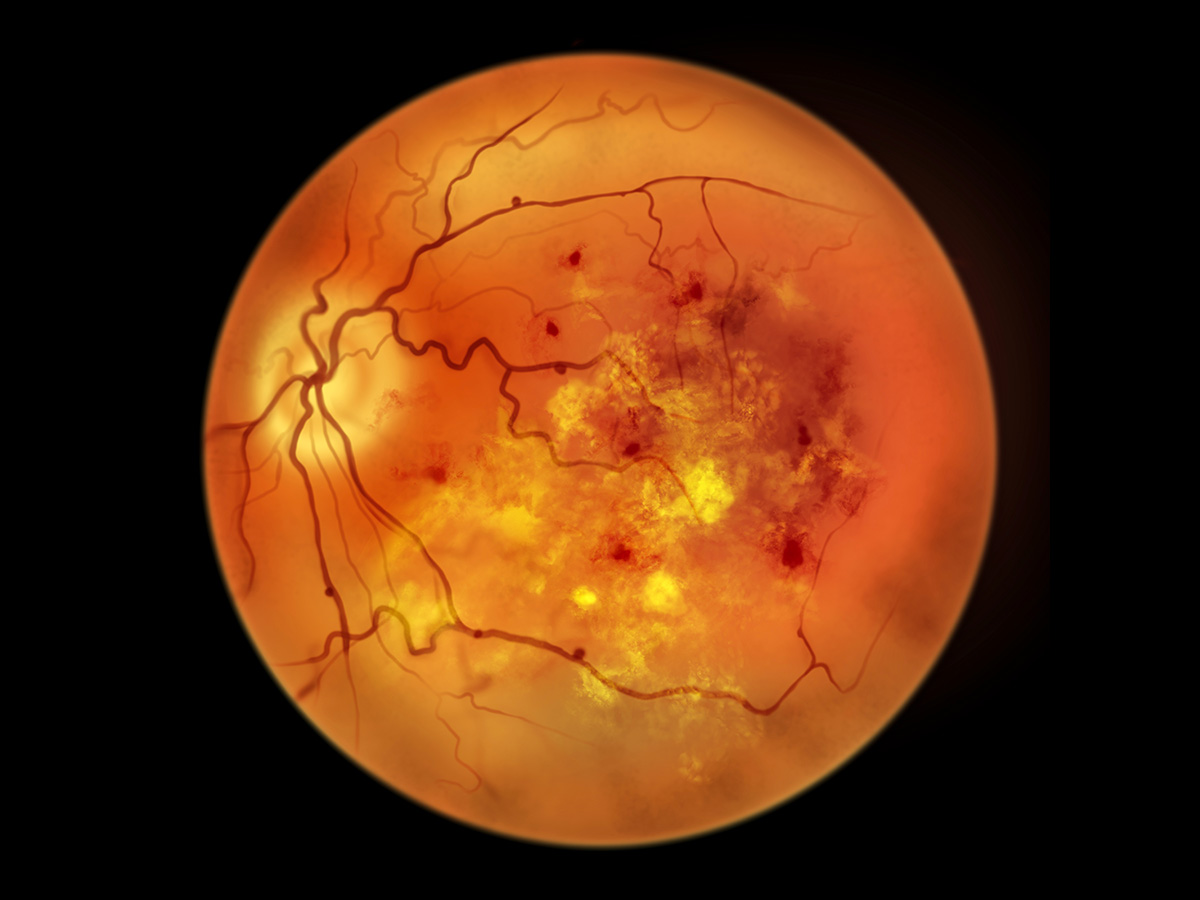
Research published in the journal Gut suggests that nutraceutical strategies restoring tryptophan metabolism and IPA levels may serve as both biomarkers and therapeutic approaches for diabetic retinopathy.
Procedures that remove plaque from a narrowed carotid artery in the neck or prop the artery open with a stent did not appear to be better at improving cognitive function than medications and lifestyle changes.
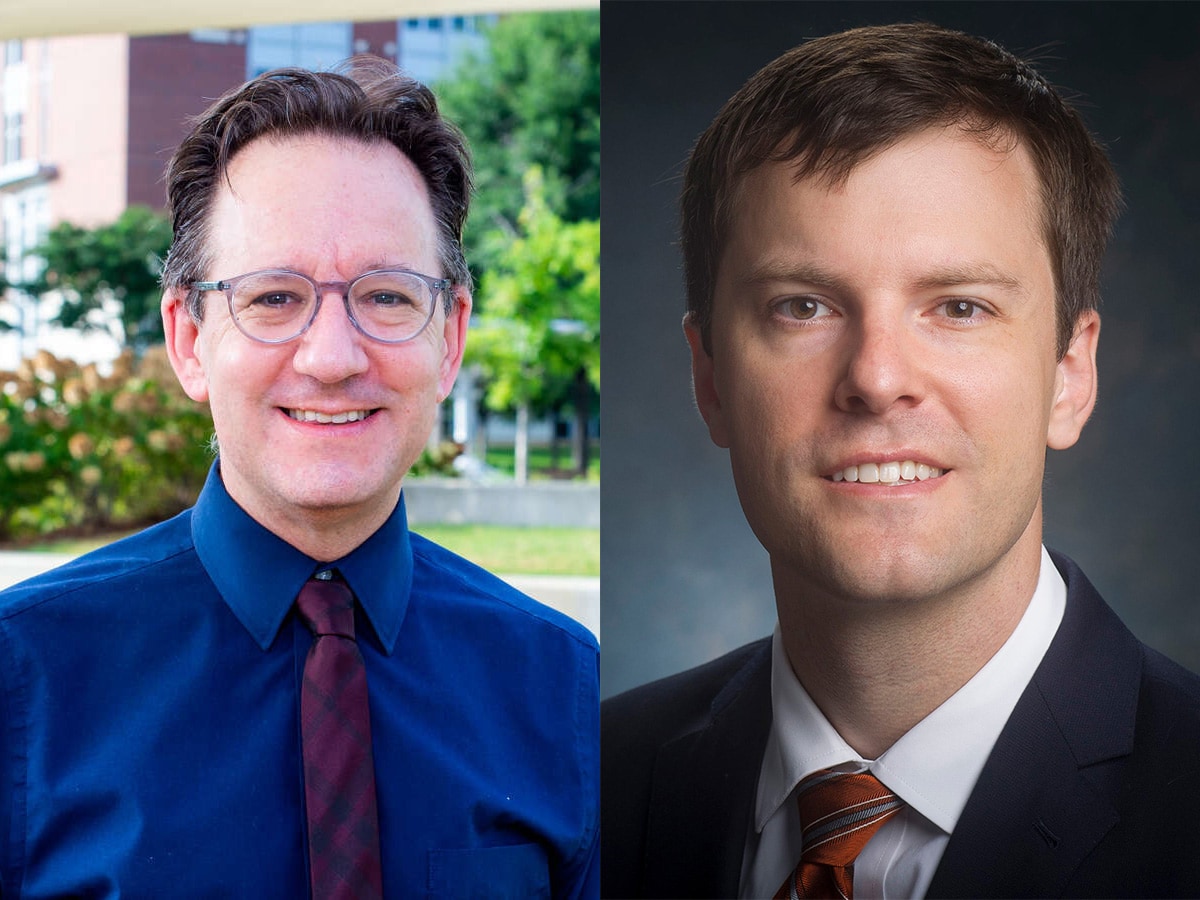
Veterans who experienced homelessness and received care in H-PACTs were more likely to consistently see the same primary care provider.

IncRNAs act like “switches,” turning off functionality for more than 3,000 genes that are essential for healthy brain functioning.