Key Insights
The University of Alabama at Birmingham Department of Radiology is the first institution in Alabama to install a 360-degree cadmium-zinc-telluride multi-SPECT/CT system, bringing more precise, high-resolution molecular imaging for both patient care and research.
The new technology significantly reduces scan times, improving the patient experience while allowing more patients to be imaged each day.
The system will strengthen UAB’s growing theranostics program by providing detailed imaging data that helps physicians guide cancer treatment decisions and evaluate treatment effectiveness.
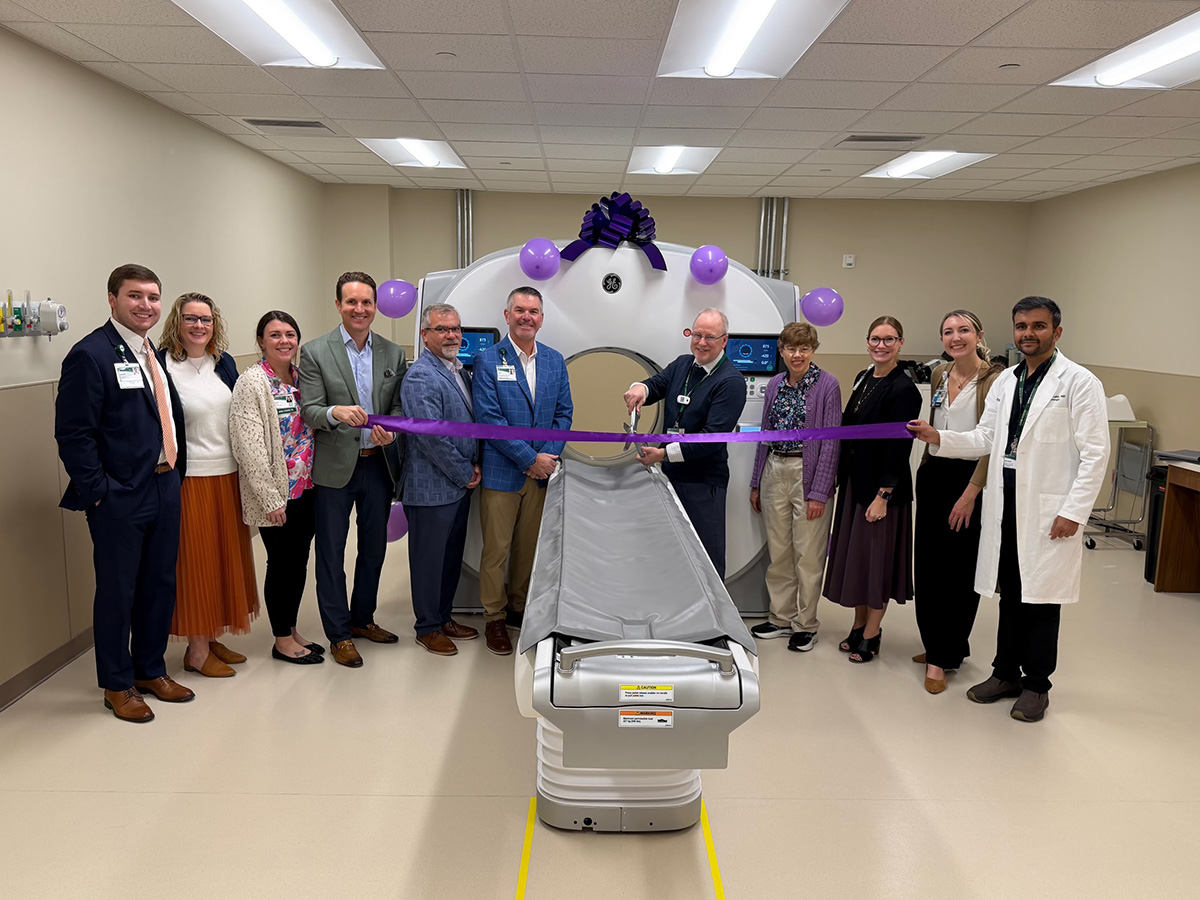 UAB’s Department of Radiology is expanding its molecular imaging capabilities and access to advanced theranostic and cancer care for patients statewide.The University of Alabama at Birmingham Department of Radiology has new molecular imaging technology that will expand advanced diagnostic imaging, theranostics capabilities, research opportunities and patient access to specialized care.
The first and only system of its kind to be installed in Alabama is a 360-degree cadmium-zinc-telluride multi-SPECT/CT system. Designed to provide more precise and sensitive imaging across a variety of disease processes, the system supports both clinical care and research initiatives.
“This new imaging technology allows for faster, high-resolution, three-dimensional imaging and positions us to continue expanding our clinical and research programs,” said David Yoder, manager of molecular imaging.
For patients, one of the most noticeable benefits will be shorter scan times. Exams that have traditionally required 45 minutes or longer can often be completed much faster, with some scans taking as little as one quarter of the time previously required. Faster imaging improves the patient experience and allows the department to serve more patients each day.
The system is expected to have a significant impact on cancer care and theranostics, a rapidly growing field that combines diagnostic imaging and targeted therapies. Because the technology is optimized to image many of the same agents used to treat cancer, physicians can gain valuable information to help guide treatment decisions and evaluate how therapies are working.
As UAB continues to expand its theranostics program, the system will provide clinicians with detailed imaging data that can help connect patients with the most appropriate treatment options.
The Division of Molecular Imaging and Therapeutics led the implementation of the technology and will continue to oversee its operation and development. In addition to improving image quality and clinical decision-making, the system is expected to increase imaging capacity, improve scheduling efficiency and expand patient access by allowing more patients to be scanned each day.