Inaugural Heersink Scholars committed to health of rural Alabama
For Kimberly “Paige” Lonergan and Sadie Ross, medicine is not simply a career choice—it is a way to give back to the places that shaped them.
The inaugural recipients of the Marnix E. Heersink Endowed Medical Scholarship, Lonergan and Ross arrived at the Heersink School of Medicine from different parts of Alabama, but they share a common vision for the future. Both plan to return to rural communities after completing their training, bringing much-needed medical care to areas where access to physicians remains a persistent challenge.
The scholarship, awarded to third-year medical students who demonstrate academic excellence and a commitment to practicing medicine in Alabama—particularly in underserved communities—was created to support exactly that kind of mission-driven physician. For Lonergan and Ross, the recognition validates goals that took root long before they entered medical school.
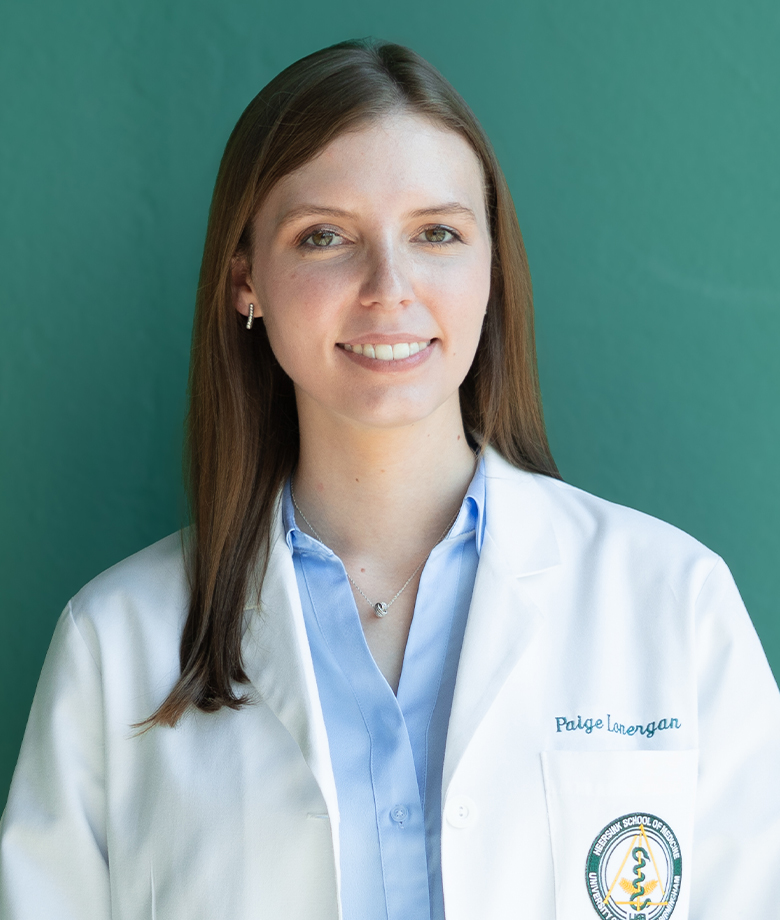 Kimberly “Paige” Lonergan
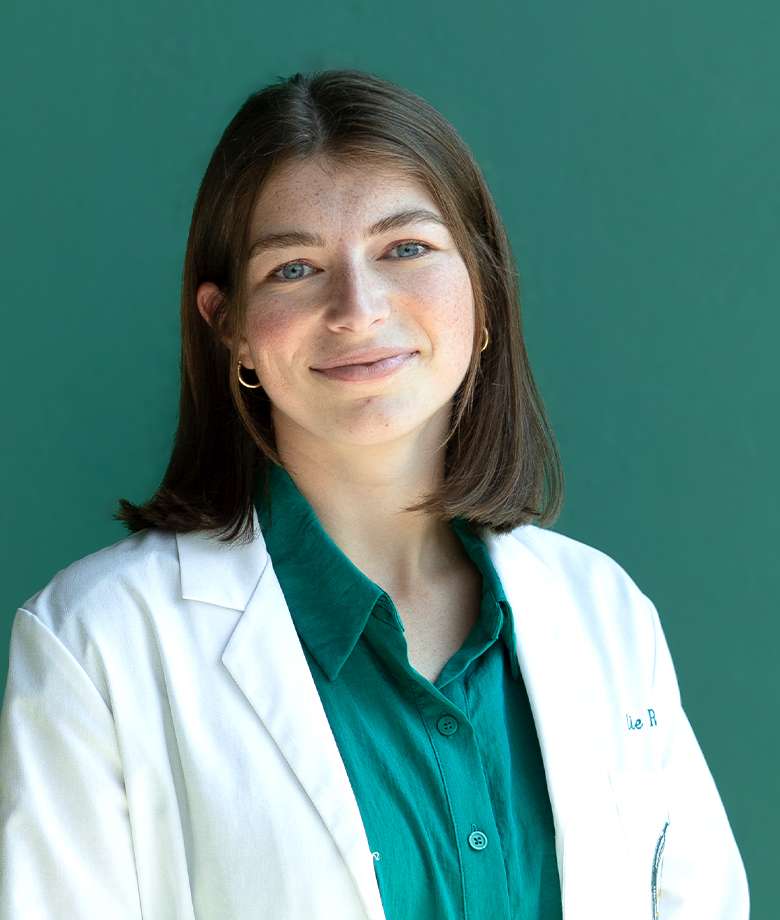 Sadie Ross
Finding purpose through community
Growing up in the Linden and Demopolis area, Lonergan always felt a strong connection to rural Alabama. An early interest in healthcare emerged during a high school health sciences class, but it was a family health scare in 2020 that transformed that interest into a calling. The experience helped her see firsthand the importance of accessible medical care and solidified her desire to become a physician serving rural communities.
“That was kind of the turning point to when I started thinking about becoming a rural physician and wanting to go back to a rural area to serve that community,” Lonergan said.
The more time she spent observing rural physicians, the more certain she became that she wanted to practice in the type of community that had raised her.
“I kind of feel like a rural area is home,” she said. “Going back to practice there would be like going home for me.”
Ross’s journey began several hours away in northeast Alabama. Raised on a family farm and with no physicians in her family, she had little exposure to medicine as a career until she approached her hometown family doctor in search of a summer job. He invited her to work as a scribe in his practice, an opportunity that would change the course of her future.
“I went to the family doctor in my hometown and asked him if he had any recommendations for a summer job,” Ross said. “He told me I could come scribe for him for the summer. That is what really opened my eyes to, I love this, it doesn’t feel like work. I think I need to consider medical school.”
That same physician introduced Ross to UAB’s Rural Medicine Program, which supports students from rural Alabama who plan to return to similar communities after residency. The program aligned perfectly with her aspirations.
“I never saw myself anywhere but home, and home is certainly rural Alabama,” Ross said. “This program just felt like the perfect fit for me.”
Building the skills to serve
At Heersink School of Medicine, both students have sought opportunities that will prepare them for the realities of rural practice.
Lonergan brings an unusual perspective to medicine through her undergraduate training in chemical engineering. While the connection may not seem obvious, she found that concepts such as fluid dynamics helped her understand physiology in new ways.
Her interests have continued to evolve during medical school. Experiences with older adults sparked an interest in geriatrics, and she is considering pursuing a geriatrics fellowship after residency. At the same time, she hopes to acquire a broad range of procedural skills that will allow her to offer more comprehensive care in rural settings, reducing the need for patients to travel long distances for treatment.
“I hope to acquire as many skills as I can because I would like to take that back, in hopes that patients can get the care they need and not have to travel as far,” Lonergan said.
Ross has similarly focused her medical education around the needs of underserved communities. In addition to the Rural Medicine Program, she has participated in the CURE program and the Dean’s Primary Care Scholars program, opportunities that have strengthened her commitment to family medicine and connected her with mentors who share her passion for rural healthcare.
One of those mentors is the same hometown physician who first introduced her to medicine. Through these programs, Ross was formally paired with him and is now completing a clinical internship in his practice.
“Working with him and getting to serve the people here in rural Alabama has been a real motivator to keep going,” Ross said. “That’s what I want to do, and I’m getting to practice it as I go.”
Paying it forward
Both scholars understand that improving rural healthcare extends beyond caring for patients. It also means investing in future generations of physicians.
As a first-generation physician, Lonergan knows how challenging the path to medicine can feel without guidance. During medical school, she has mentored pre-med students through the MCAT process and hopes to one day encourage more rural students to pursue careers in healthcare.
“I’m really interested in eventually mentoring rural students as a physician once I return back to the area and get them interested in healthcare,” she said.
Ross sees a similar need in her hometown and throughout rural Alabama. She believes many communities already have excellent physicians, but not enough of them. As longtime doctors retire and populations continue to grow, access to care becomes increasingly strained.
“It’s not a quality need necessarily, but more of a quantity need,” Ross said. “I would love to be, and I strive to be, an excellent family medicine physician in a rural area.”
A shared future
The Marnix E. Heersink Endowed Medical Scholarship eases some of the financial burden of medical education, but for Lonergan and Ross, its significance runs deeper. The award recognizes a commitment to service, community, and a future spent caring for Alabamians who might otherwise struggle to access medical care.
After residency, both plan to return home. Lonergan hopes to practice in Demopolis, while Ross intends to complete family medicine training in Alabama before serving patients in a rural community.
Their stories began in different regions of the state, but they are united by a shared belief: every Alabamian deserves access to high-quality care close to home. Through their dedication, the next generation of rural physicians is already taking shape—one patient, one community, and one hometown at a time.
To learn more about giving to medical student scholarships, contact Whitney Williams, Senior Director of Development for Medical Education, at 205-934-7406 or