 The Critical Language Scholarship selects a group of about 60 top US students and fully funds them to study a critical language for seven to ten weeks in another country. The CLS Program is part of a U.S. government effort to expand dramatically the number of Americans studying and mastering critical-need foreign languages. Devin has been selected to study Chinese in China over the summer. Devin hopes to pursue a graduate program in Chinese Studies while following a career track in US diplomatic services in China or Asia. Congratulations to Devin for this honor!
 DFLL Student Wins Prestigious Scholarship
Student Achievement
CAS News
February 28, 2012
The Critical Language Scholarship selects a group of about 60 top US students and fully funds them to study a critical language for seven to ten weeks in another country. The CLS Program is part of a U.S. government effort to expand dramatically the number of Americans studying and mastering critical-need foreign languages. Devin has been selected to study Chinese in China over the summer. Devin hopes to pursue a graduate program in Chinese Studies while following a career track in US diplomatic services in China or Asia. Congratulations to Devin for this honor! More News
-
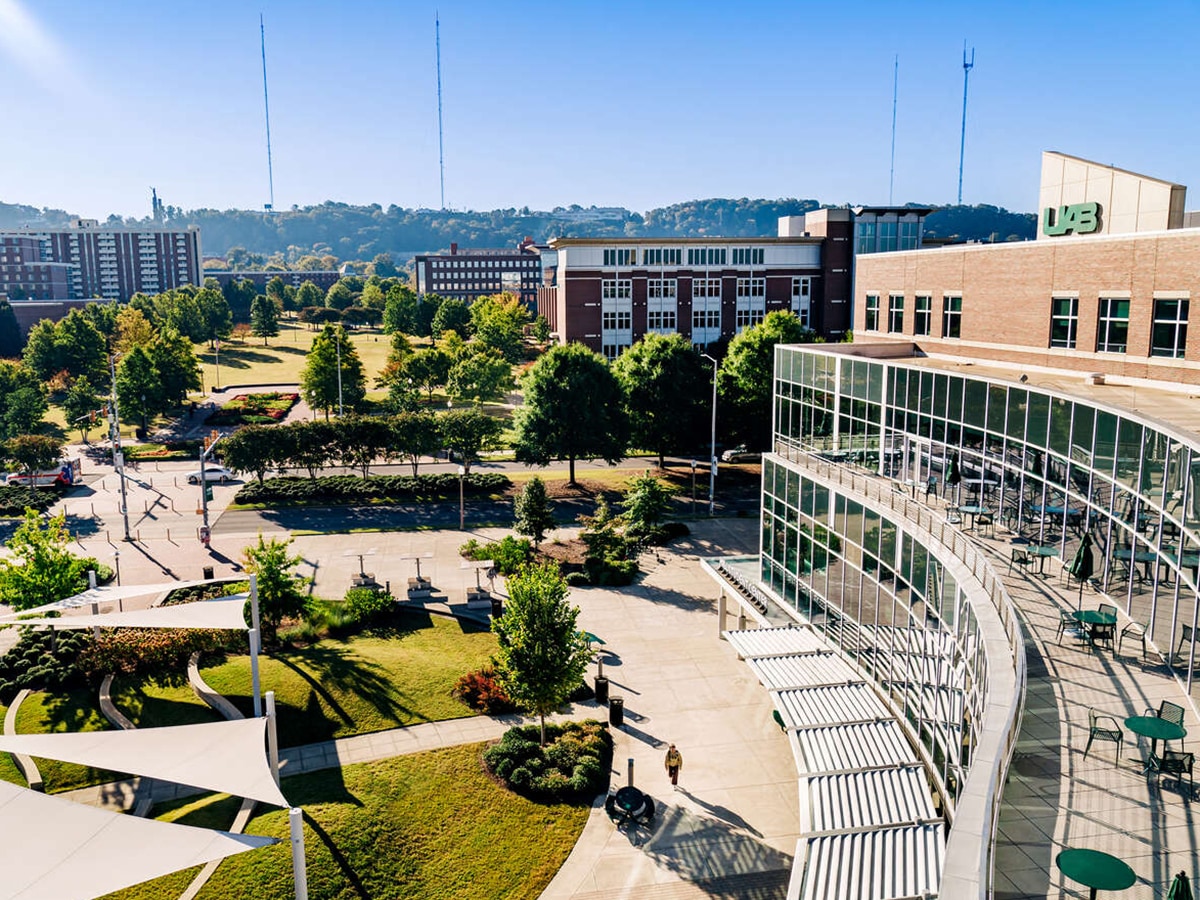 Call for artists: Submit ideas for new outdoor sculpture at UAB through Oct. 22The museum-quality, contemporary public sculpture will be installed outside of the Hill Student Center as part of Birmingham’s Legacy Art Trail honoring local visionary leaders.
 -
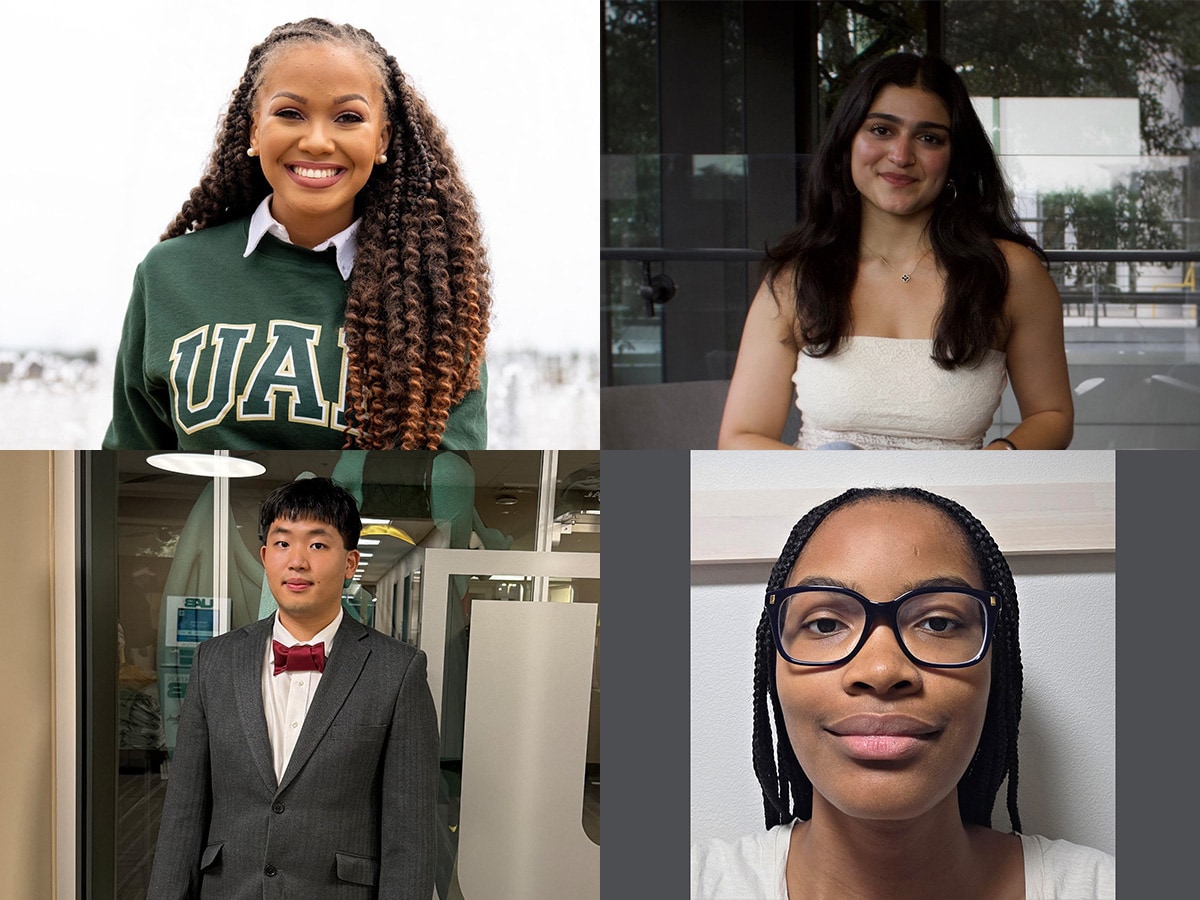 UAB students recognized with international Gilman ScholarshipSeven scholarship recipients will broaden their global perspectives through immersive study experiences in countries including Japan, Spain and South Africa.
 -
 Seventeen CAS faculty members receive promotionsThe College of Arts and Sciences is proud to announce that 17 faculty members across 12 departments have been awarded promotions (including four faculty members who also were awarded tenure).